It's a curious thing, isn't it? How moments filmed, perfectly acted, and technically complete can end up on the cutting room floor. Yet, these Deleted & Alternate Filmed Scenes from Spider-Man 3 often hold some of the most profound insights into character motivations, plot nuances, and even the filmmakers' original intentions. They unearth new details, offering fans a richer, more complex understanding of a film they thought they knew.
Spider-Man 3 was a massive cinematic event, a culmination of Sam Raimi's trilogy that aimed for grand emotional arcs and multiple villains. But beneath the surface of the theatrical cut lies a treasure trove of unseen footage that transforms our perception of key characters like Sandman, Venom, and even Peter Parker himself. Diving into these moments isn't just about satisfying curiosity; it's about seeing the film with fresh eyes, appreciating the intricate storytelling that nearly made it to the screen.
At a Glance: Key Revelations from Spider-Man 3's Lost Scenes
- Sandman's Heart: Witness his deep paternal love for Penny, humanizing his criminal actions.
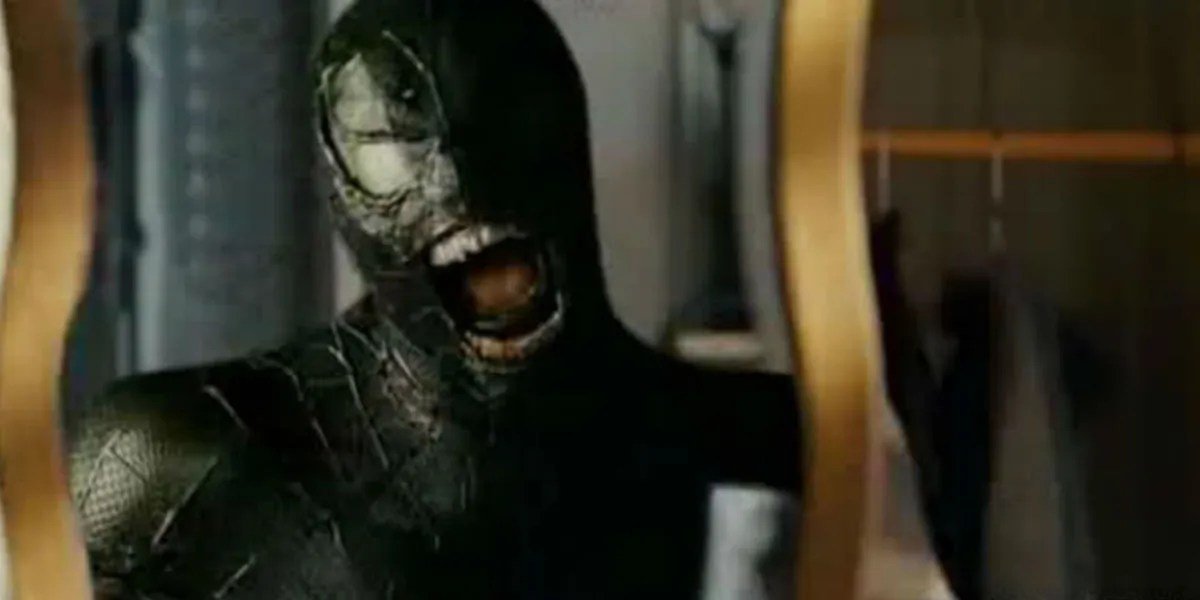
- Venom's True Face: An extended black suit reveal showcases a more terrifying, monstrous Symbiote.
- Peter's Obsession: A clearer picture of Peter's consuming desire for revenge against Flint Marko.
- Aunt May's Wisdom: Extended dialogue emphasizing the poisonous nature of vengeance.
- Harry's Resistance: Despite Norman's hallucination, Harry initially refuses to harm Peter.
- MJ's Plea: A crucial speech from Mary Jane advocating forgiveness for past wrongs.
- Flint's Desperation: Novelization details reveal Flint Marko's desperate attempts to save Penny.
Why Every Frame Matters: The Power of Deleted Scenes
You might wonder why a director would intentionally leave out powerful scenes that enhance a movie. The reasons are varied: pacing issues, runtime constraints, narrative redundancy, or even a shift in the film's overall tone during post-production. Regardless of the reason, deleted scenes are generally considered canon unless directly contradicted by the final theatrical release. They provide an invaluable window into the creative process and the fuller narrative world that almost was.
For a franchise as beloved and scrutinized as Spider-Man, these excised moments are more than mere curiosities. They often fill in gaps, provide crucial context, and deepen our emotional connection to characters. They clarify motivations that might have felt rushed or underdeveloped in the final cut, offering a more complete picture of the journey our heroes and villains undertake.
Unearthing the Depths of Spider-Man 3: What We Missed
Spider-Man 3 aimed to conclude Peter Parker's journey in the Raimi universe with a climactic battle against multiple foes and an internal struggle against the Symbiote. While ambitious, the film's theatrical cut sometimes felt crowded or suffered from pacing issues. The deleted and alternate filmed scenes often address these very points, providing clarity and emotional resonance that were ultimately sacrificed.
Sandman's Paternal Love: A Father's Desperation
One of the most significant deletions concerns Flint Marko, the Sandman. In the theatrical cut, his motivation for crime is vaguely linked to his sick daughter, Penny. However, a poignant deleted scene brings this to the forefront with heartbreaking clarity.
Imagine this: Flint Marko, in his sand form, transforms into an elaborate sandcastle on a beach. His daughter, Penny, joyfully runs towards it, embracing the sandy structure, believing her father is there with her. As she eventually leaves, a sorrowful Flint watches her go, a silent testament to his profound love. This moment isn't just visually striking; it humanizes Marko profoundly, shifting him from a mere villain to a tragic figure driven by overwhelming parental love and desperation. His actions, though criminal, are rooted in a desperate attempt to save his child, making his eventual redemption all the more impactful.
Furthermore, the novelization for Spider-Man 3 clarifies Flint's desperation even further. It reveals he spoke to a Dr. Phil Wallace about Penny's illness, begging for help with money he had stolen. This specific detail underscores his frantic efforts, revealing the depth of his love and the impossible choices he believed he faced. These insights transform Sandman's character from a one-dimensional antagonist into a sympathetic figure.
Venom's True Horror: The Extended Black Suit Reveal
The Symbiote's introduction and its hold over Peter Parker are central to Spider-Man 3. An extended black suit reveal, however, offered a far more terrifying glimpse into Venom's true, monstrous nature.
The theatrical version hinted at the Symbiote's corrupting influence, but this deleted sequence presented a fully corrupted Spider-Man, distorted and horrifying, pushing the boundaries of what viewers expected. This particular shot, described as the "scariest image of Venom in the movie," would have underscored the insidious, predatory essence of the Symbiote from the outset. It emphasizes that this alien entity wasn't just a cool new suit; it was a parasitic force intent on consuming its host, setting a more menacing tone for Peter's internal struggle.
Peter Parker's Obsession and Aunt May's Wisdom
The revelation that Flint Marko, not Dennis Carradine, was Uncle Ben's killer fuels Peter's quest for revenge. A deleted subplot elaborated on Peter's descent into obsession. We would have seen Peter becoming consumed by finding Marko, mapping out locations, and meticulously questioning Dennis Carradine's prior role in the robbery. This detailed portrayal of Peter's investigation would have vividly illustrated his dark spiral, making his later actions as the black-suited Spider-Man even more understandable, albeit disturbing.
Adding a crucial counterpoint to Peter's vengeful desires, Aunt May's heartfelt advice was originally extended. Her impactful line, "You can't live with revenge in your heart, it's like a poison," was delivered with even more gravitas and duration. This extension would have driven home the moral conflict central to Peter's character arc, directly challenging his destructive path and highlighting the wisdom he desperately needed to heed.
Harry's Internal Conflict: Refusal and Forgiveness
Harry Osborn's journey from best friend to Green Goblin Jr. and back again is a tragic one. The novelization provides a crucial insight into Harry's struggle with his father's malevolent influence. After recovering his memory and discovering the truth about Peter, Norman Osborn's hallucination appears, urging Harry to kill his friend. However, a significant detail reveals Harry's initial refusal, asserting that he would not hurt his friends. This momentary resistance showcases Harry's inherent goodness, making his eventual alliance with Peter against Venom and Sandman feel more earned and less abrupt.
Moreover, a profound deleted scene featured Mary Jane Watson delivering a powerful "forgiveness speech" to Harry. She says, "We've all done terrible things to each other, but we have to forgive each other. Or everything we ever were will mean nothing." This speech is vital. It articulates the core theme of reconciliation that the film attempts to convey, not just between Harry and Peter, but as a broader message for all the characters. It would have provided much-needed emotional closure and clarity to their complex, often fraught, relationships.
Flint Marko's Extended Escape
The climax of the film involved multiple antagonists. An extended fight sequence between Harry Osborn and Sandman was also filmed. This version concluded with Sandman transforming back into his human form, Flint Marko, and then escaping. While the theatrical cut sees him seemingly defeated or absorbed, this alternate ending would have allowed for a more ambiguous conclusion to their specific confrontation, and perhaps even set up a different dynamic for Sandman's eventual resolution.
Beyond Spider-Man 3: Unseen Moments Across the Franchise
While Spider-Man 3 has its fair share of lost gems, the entire Spider-Man cinematic universe is rife with deleted and alternate scenes that offer fascinating glimpses into character and plot. Understanding these helps us appreciate the careful curation involved in crafting the final theatrical experience.
The Raimi Trilogy's Unseen Moments (Spider-Man 1 & 2)
Before Spider-Man 3, the first two films in Sam Raimi's acclaimed trilogy also had significant cuts:
- Spider-Man (2002):
- Original Web-Shooters: Early concepts envisioned Peter Parker creating his own mechanical web-shooters, a nod to the comics, rather than the organic webbing he ended up with. This fundamental choice defined the character's powers for the trilogy.
- Stan Lee Cameo: An alternate cameo featured the legendary Stan Lee asking Peter to buy him sunglasses, even referencing the X-Men in the process. These small, fun moments often show the playful nature of filmmaking.
- Secret Keeper: A scene showed Peter saving people from falling debris, only to be praised by children whom he then shushed, emphasizing his need to maintain his secret identity. These small interactions flesh out his hero persona.
- Spider-Man 2:
- Mary Jane's Motivations: A crucial deleted scene depicted Mary Jane Watson shopping with a friend, where she discusses her engagement to John Jameson and her troubled relationship with her father. This scene humanized MJ's actions, explaining her pursuit of stability as a reaction to fear rather than pure selfishness.
- J. Jonah Jameson's Admiration: A humorous yet insightful scene shows J. Jonah Jameson trying on Spider-Man's suit, striking poses, and even making web-slinging sounds while his employees watch in amusement. This subtly reveals his secret admiration for Spider-Man, building on the integrity he demonstrated in the first film by protecting Spider-Man's secret.
- Harry's Grief: An extended sequence had Harry Osborn discussing his father's murder with Peter, who used Uncle Ben's death as an analogy for shared grief. Later, Harry apologized to Peter on his birthday, which Aunt May and Mary Jane celebrated. These moments added significant depth to Harry's character, highlighting his internal struggle before his eventual descent.
These scenes, much like those in Spider-Man 3, add layers to characters and plots, illustrating the challenges of condensing complex narratives into a two-hour film. For a more detailed look into the production of the film, you might find Your guide to Spider-Man 3 filming particularly insightful, offering context on the decisions made behind the scenes.
The Amazing Spider-Man Series' Hidden Narratives
Marc Webb's The Amazing Spider-Man films also saw significant alterations and cuts:
- The Amazing Spider-Man:
- Uncle Ben's Death Context: An extended sequence leading up to Uncle Ben's death portrayed Peter's bickering with a store clerk and a thief getting away, with the clerk blaming Peter for not stopping him. Peter then finds Uncle Ben dying, leading to an extended scene of Peter and Aunt May's grief. This would have provided a much clearer and more impactful motivation for Peter's early vigilantism.
- Lizard's Chilling Monologue: Curt Connors delivered a truly chilling monologue in the sewers, admiring his transformation into the Lizard. Even without finished CGI, this scene deeply explored Connors' psyche, internal conflict, and the seductive allure of his newfound power, blending scientific curiosity with growing madness. It provided crucial insight into his descent.
- Lizard's Humanity/Duality: Deleted scenes depicted the Lizard showing moments of humanity and Connors grappling with a split personality, eventually letting the Lizard take over. These moments would have added a tragic layer to Connors' villainy.
- The Amazing Spider-Man 2:
- Richard & Mary Parker's Fate: An extended scene depicted Richard and Mary Parker's final moments on a private plane, with an assassin killing the pilot before Richard steals the gun, realizes the pilot is dead, and the plane crashes. This would have offered a more detailed and dramatic account of Peter's parents' death.
- Peter's Near-Lethal Rage: After Gwen Stacy's death, Peter nearly beat the Green Goblin to death at the clock tower, stopping himself just before delivering the killing blow. This emphasizes Peter's intense emotional turmoil and aligns perfectly with Andrew Garfield's line in Spider-Man: No Way Home about no longer pulling his punches.
- Peter Meets Richard Parker: A significant deleted scene at Gwen Stacy's grave shows Peter's presumed-dead father, Richard Parker, appearing. They have an emotional confrontation and reconciliation, with Richard explaining his faked death and delivering his own version of the iconic "with great power" line. This would have fundamentally altered Peter's character arc.
- Mary Jane Watson Subplot: An entire subplot involving Mary Jane Watson, played by Shailene Woodley, was filmed but cut entirely for time, intended for a later film.
The MCU's Spider-Man: Minor But Meaningful Cuts
Even in the relatively tighter MCU films, deleted scenes provide extra texture:
- Spider-Man: Homecoming:
- Extended Civil War Footage: An extended opening features Peter Parker's home movie documenting his involvement in Captain America: Civil War, with additional footage of his escapades in Germany. It also shows more humorous interactions with Happy Hogan, establishing their contentious dynamic early on.
- Academic Decathlon Decision: Peter decided to quit the Academic Decathlon, leading to his teammates disliking him. Liz later tried to convince him to rejoin for Nationals, but he refused. This would have emphasized his struggle with balancing his two lives.
- Aaron Davis' Apology: Aaron Davis, stuck by Spider-Man's web, called his nephew Miles to apologize for not meeting up. This small detail provides a subtle nod to Miles Morales, hinting at a larger universe.
- Spider-Man: Far From Home:
- Budding Romance & Homecoming: A heartwarming scene depicted Peter Parker and MJ falling asleep on each other during their flight home, followed by Peter's reunion with Aunt May. This cements their growing relationship and provides a serene, endearing conclusion to their European adventure, setting up their identity reveal.
- Spider-Man: No Way Home:
- Public Reaction to Identity Reveal: A fun scene shows Tom Holland’s Spider-Man chasing a thief (played by his brother, Harry Holland) after his identity is revealed. After webbing the thief and retrieving stolen goods, Spider-Man is accosted by locals questioning a teenager's superhero activities. This adds levity and realism, highlighting the public's mixed reactions and the everyday challenges of Peter's known identity.
How These Scenes Shape Our Understanding
These deleted and alternate scenes aren't just trivia; they significantly impact how we perceive the films and their characters.
- Enriched Characterization: They provide deeper dives into motivations, fears, and internal conflicts. Sandman's paternal love, MJ's anxieties, Harry's moral struggle – all these add layers that make the characters more relatable and complex.
- Canon Clarification: Unless contradicted, these scenes often expand the established canon, offering explanations for character behavior or plot points that might otherwise seem underdeveloped.
- Filmmaker's Vision: They reveal the initial intentions of the writers and directors, showcasing the story they originally aimed to tell before the exigencies of commercial filmmaking intervened. This helps us understand the difficult choices made in the editing room.
- Emotional Impact: Many cut scenes carry significant emotional weight, potentially altering the emotional arc of the film or enhancing specific moments, like Peter's intense grief after Uncle Ben's death in The Amazing Spider-Man.
The Creative Process: Why Scenes Are Cut
It’s easy to lament the loss of these fantastic moments, but the decision to cut a scene is rarely taken lightly. Filmmakers face immense pressure to deliver a cohesive, paced narrative within a marketable runtime. A scene might be fantastic in isolation but slow down the overall pace, contradict a later plot development chosen in reshoots, or simply make a film too long for commercial viability. Often, these cuts are agonizing for the creative team, who may have poured weeks of work into a single sequence.
Sometimes, a scene is trimmed because its information can be conveyed more subtly through other means, or because its full impact isn't realized until later in the editing process. It's a testament to the editor's art that they can sculpt a compelling story from potentially hours of footage, even if it means sacrificing some cherished moments.
Re-Watching with New Eyes: Your Next Step
Armed with these insights into the deleted and alternate filmed scenes, especially from Spider-Man 3, you have a unique opportunity to revisit the films. Many home releases of these movies, particularly on Blu-ray and streaming platforms, include these excised moments as bonus features.
Seek them out. Watch the deleted scenes first, then re-watch the theatrical cut of Spider-Man 3. Pay attention to how the new information changes your perspective on Peter's quest for revenge, Sandman's plight, or Harry's difficult choices. You might find a newfound appreciation for the film's ambition and the nuanced storytelling that almost made it to the big screen. These hidden treasures don't just add to the narrative; they invite you to become a more engaged, informed viewer, appreciating the full scope of the artistic process behind the movies you love.